
Introduction
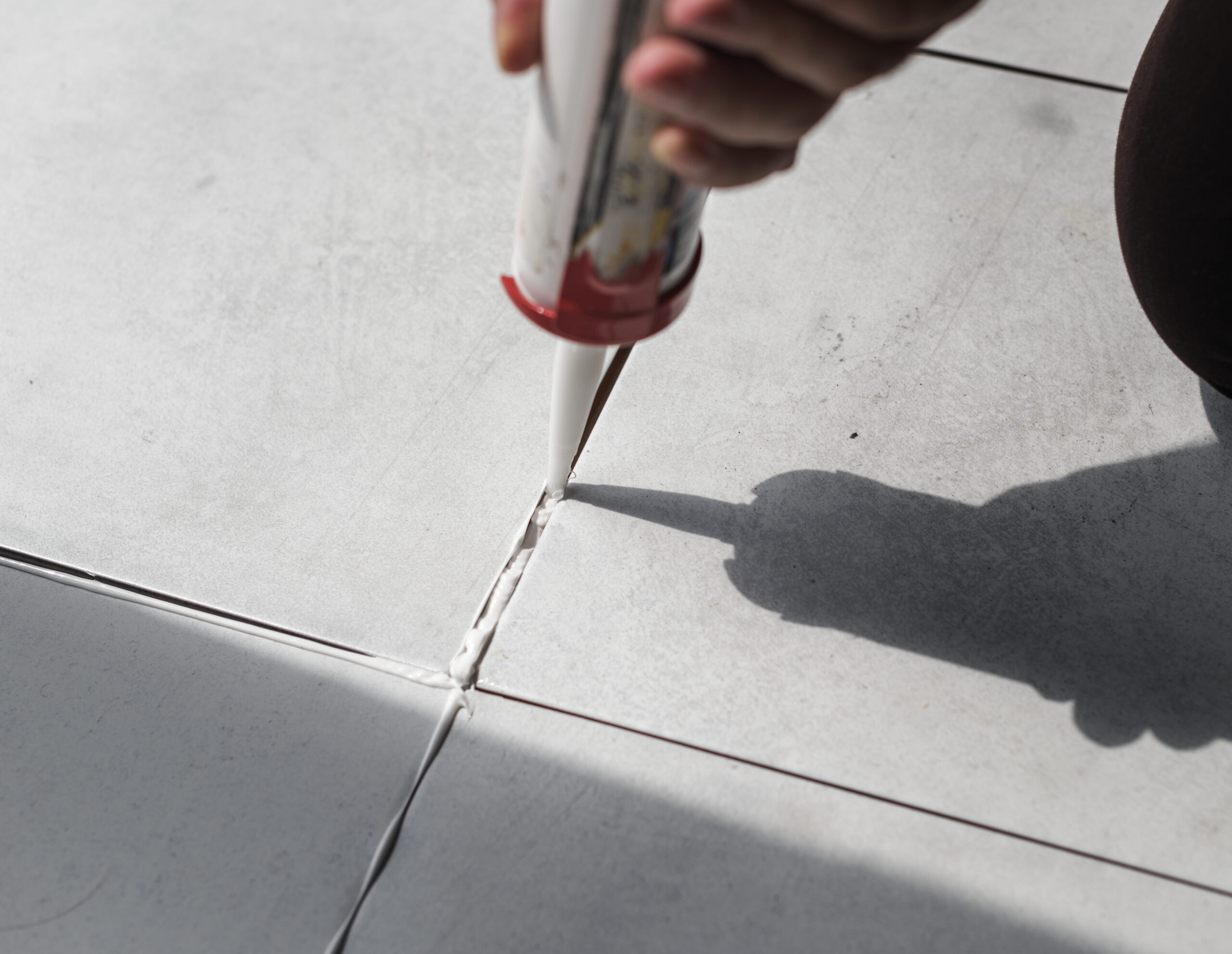
In the world of modern construction, grouts play a crucial role in ensuring durability, hygiene, and visual appeal. While traditional cement-based grouts have been widely used, epoxy grouts have emerged as a superior alternative, offering unmatched strength, chemical resistance, and aesthetic versatility. From high-traffic commercial floors to sleek residential interiors, epoxy grouts are redefining performance and design in tiling applications.
Why Traditional Cement Grouts Fall Short
- Weak bonding – Prone to cracking and crumbling over time.
- Staining & discoloration – Absorbs dirt, grease, and moisture.
- Limited durability – Degrades in harsh environments (chemical exposure, heavy foot traffic).
- Maintenance issues – Requires frequent sealing and repairs.
Advantages of Epoxy Grouts
✔ Superior Strength – High compressive and flexural strength prevents cracks.
✔ Stain & Chemical Resistance – Impervious to oils, acids, and harsh cleaners.
✔ Hygienic & Non-Porous – Resists mold, bacteria, and mildew—ideal for hospitals and kitchens.
✔ Long-Lasting Color – UV-stable pigments retain vibrancy without fading.
✔ Minimal Maintenance – No sealing required, easy to clean.
✔ Versatile Applications – Suitable for floors, walls, countertops, and industrial settings.
Types of Epoxy Grouts
1. Standard Epoxy Grout
- High chemical resistance for kitchens, labs, and industrial floors.
- Durable and easy to clean.
2. Flexible Epoxy Grout
- Accommodates slight substrate movements (ideal for heated floors).
- Reduces cracking in dynamic environments.
3. Decorative Epoxy Grout
- Wide range of colors for aesthetic enhancement.
- Used in high-end residential and commercial projects.
Key Applications of Epoxy Grouts
- Commercial & Industrial Floors – Warehouses, factories, hospitals.
- Wet Areas – Swimming pools, showers, bathrooms.
- Food & Pharma Facilities – Hygienic, easy-to-sanitize surfaces.
- High-End Interiors – Luxury homes, hotels, and retail spaces.
Choosing the Right Epoxy Grout
- For heavy traffic areas – Opt for industrial-grade epoxy grout.
- For wet environments – Use waterproof, mold-resistant formulations.
- For decorative tiling – Select color-stable, UV-resistant options.
Future Trends in Epoxy Grouts
- Bio-based epoxy – Sustainable formulations with lower VOC emissions.
- Self-cleaning grouts – Nano-coatings for stain and bacteria resistance.
- Smart grouts – Thermochromic or self-healing properties.
Conclusion
Epoxy grouts represent a significant leap forward in construction technology, combining strength, durability, and aesthetics like no other material. Whether for high-performance industrial floors or elegant interior designs, epoxy grouts ensure long-lasting beauty and functionality with minimal upkeep. By embracing this advanced solution, builders and designers can achieve flawless, maintenance-free surfaces that stand the test of time.